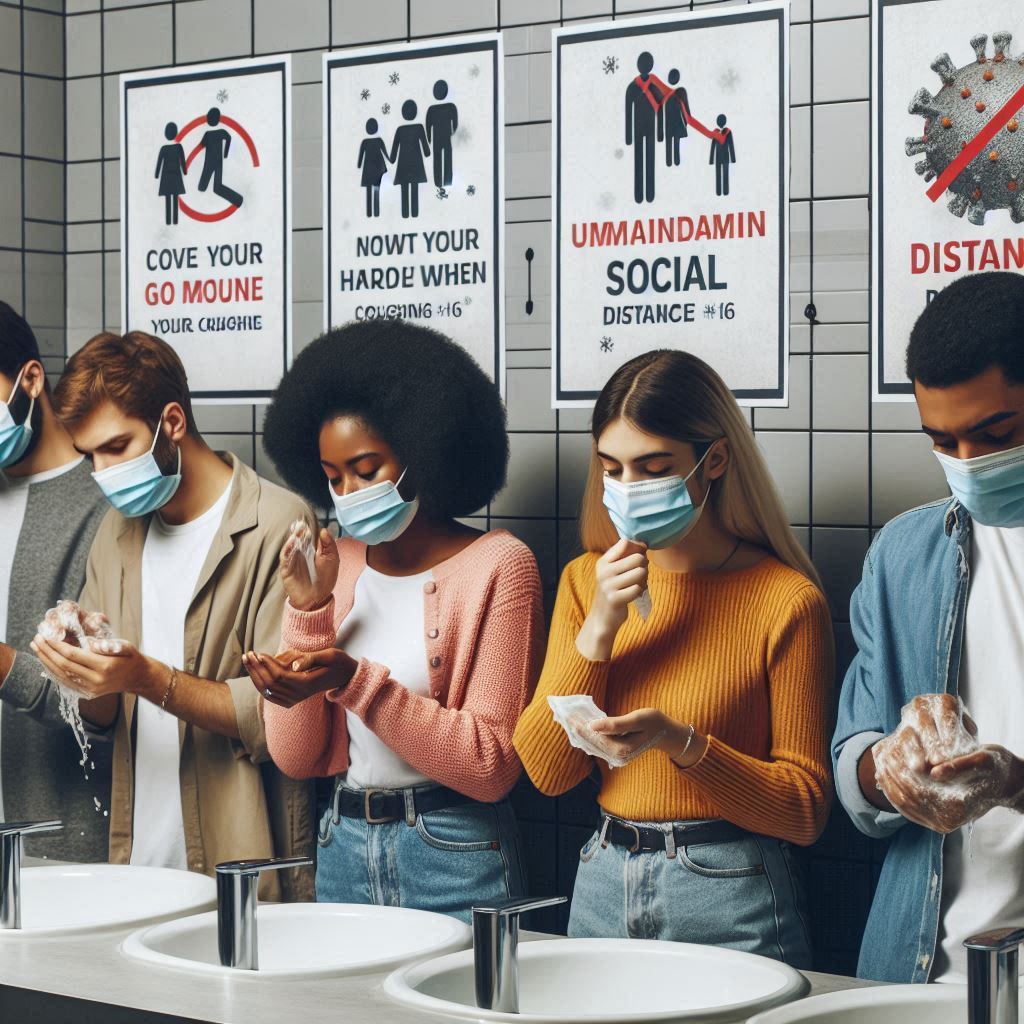
Germ Prevention and Control
Posted by Bristol Backus on 2024-08-23
Section 1: Hand Hygiene Practices
- The significance of handwashing
- Proper handwashing techniques (with visuals)
- Hand sanitizer use and its effectiveness
- Hand hygiene policies for different settings (e.g., healthcare, food service)
Section 2: Surface Disinfection Protocols
- Importance of surface disinfection
- Effective cleaning agents and disinfectants
- Disinfection protocols for high-touch surfaces
- Routine cleaning and disinfection schedules
Section 3: Air Quality Management
- The role of air quality in germ transmission
- Ventilation systems and their importance
- HEPA filters and their benefits
- Indoor air quality monitoring and improvement strategies
Section 4: Personal Protective Equipment (PPE) Guidelines
- When and why PPE is necessary
- Types of PPE (masks, gloves, gowns, etc.)
- Proper use, storage, and disposal of PPE
Section 5: Implementing UV-C Light Sanitation
- What is UV-C light and how does it work?
- Applications of UV-C light in germ prevention
- Safety considerations and guidelines for UV-C light use
Section 6: Introducing Antimicrobial Coatings
- Benefits of antimicrobial coatings
- Types of antimicrobial coatings and their applications
- Maintenance and effectiveness of antimicrobial coatings
Section 7: Enhancing Ventilation Systems with HEPA Filters
- The role of HEPA filters in air purification
- Installation and maintenance of HEPA filters
- Benefits of HEPA filters in reducing germ transmission
Section 8: Establishing Regular Deep Cleaning Schedules
- Importance of deep cleaning
- Deep cleaning protocols for different areas
- Frequency of deep cleaning
Section 9: Educating Employees on Proper Respiratory Etiquette
- The importance of respiratory etiquette
- Proper coughing and sneezing techniques
- The use of face masks in public settings
Section 10: Implementing Touchless Technology
- Benefits of touchless technology
- Types of touchless technology (doors, faucets, etc.)
- Installation and maintenance of touchless technology
Section 11: Promoting Remote Work Options
- Benefits of remote work in reducing germ transmission
- Guidelines for effective remote work
- Balancing remote and in-person work
Section 12: Utilizing Temperature Screening at Entry Points
- Purpose of temperature screening
- Effective temperature screening methods
- Guidelines for temperature screening
Section 13: Encouraging Social Distancing Measures
- The importance of social distancing
- Guidelines for maintaining social distance
- Creating a safe work environment
Section 14: Implementing Self-Cleaning Surfaces
- Benefits of self-cleaning surfaces
- Types of self-cleaning surfaces
- Maintenance and effectiveness of self-cleaning surfaces
Section 15: Introducing Air Purification Systems
- Types of air purification systems
- Benefits of air purification systems
- Selection and installation of air purification systems
Section 16: Developing a Workplace Wellness Program Focused on Immune System Support
- Importance of immune system health
- Components of a workplace wellness program
- Encouraging healthy lifestyle habits
Section 17: Utilizing Smart Sensors for Real-Time Monitoring of Sanitation Levels
- Benefits of smart sensors
- Types of smart sensors
- Data analysis and action plans
Section 18: Implementing Regular Testing of Surfaces for Microbial Presence
- Importance of microbial testing
- Testing methods and procedures
- Interpreting test results and taking action
Section 19: Implementing Antimicrobial Textiles for Uniforms and Workwear
- Benefits of antimicrobial textiles
- Types of antimicrobial textiles
- Care and maintenance of antimicrobial textiles
Section 20: Enhancing Employee Wellness with On-site Immunity-Boosting Programs
- Importance of employee health
- Types of immunity-boosting programs
- Encouraging participation
Section 21: Introducing UV-C Light Devices for Personal Item Sanitization
- Applications of UV-C light for personal items
- Safety guidelines for UV-C light use
- Maintenance and effectiveness of UV-C light devices
Section 22: Utilizing Electrostatic Sprayers for Efficient Disinfection of Large Areas
- Benefits of electrostatic sprayers
- Types of electrostatic sprayers
- Proper use and safety guidelines
Section 23: Implementing Contactless Temperature Check Stations for Daily Monitoring
- Benefits of contactless temperature check stations
- Types of contactless temperature check stations
- Installation and maintenance
Section 24: Implementing Antimicrobial Door Handles and Elevator Buttons
- Benefits of antimicrobial door handles and elevator buttons
- Types of antimicrobial materials
- Installation and maintenance
Section 25: Introducing Germ-Resistant Keyboard Covers for Shared Computers
- Benefits of germ-resistant keyboard covers
- Types of germ-resistant materials
- Cleaning and maintenance
Section 26: Enhancing Sanitation Stations with Touchless Hand Sanitizer Dispensers
- Benefits of touchless hand sanitizer dispensers
- Types of touchless dispensers
- Installation and maintenance
Section 27: Implementing Regular UV-C Light Disinfection for Office Equipment
- Benefits of UV-C light disinfection for office equipment
- Safety considerations
- Disinfection protocols
Section 28: Introducing Antimicrobial Phone Charging Stations for Shared Spaces
- Benefits of antimicrobial phone charging stations
- Types of antimicrobial materials
- Cleaning and maintenance
Section 29: Implementing Antimicrobial Film Coatings for Frequently Touched Surfaces
- Benefits of antimicrobial film coatings
- Types of antimicrobial films
- Application and maintenance
Section 30: Enhancing Sanitation Protocols for Restroom Facilities
- Importance of restroom sanitation
- Cleaning and disinfection protocols
- Touchless technology in restrooms
Section 31: Introducing UV-C Light Sanitation for HVAC Systems to Reduce Airborne Germs
- Benefits of UV-C light disinfection for HVAC systems
- Safety considerations
- Installation and maintenance
Section 32: Implementing Antimicrobial Mats at Entry Points to Reduce Shoe-Borne Contaminants
- Benefits of antimicrobial mats
- Types of antimicrobial mats
- Cleaning and maintenance
Section 33: Enhancing Employee Wellness with On-site Flu Vaccination Clinics
- Importance of flu vaccination
- Benefits of on-site vaccination clinics
- Scheduling and logistics
Section 34: Implementing Antimicrobial Film Coatings for Frequently Touched Surfaces
- Benefits of antimicrobial film coatings
- Types of antimicrobial films
- Application and maintenance
Section 35: Enhancing Sanitation Protocols for Restroom Facilities
- Importance of restroom sanitation
- Cleaning and disinfection protocols
- Touchless technology in restrooms
Section 36: Utilizing UV-C Light Sanitation for HVAC Systems to Reduce Airborne Germs
- Benefits of UV-C light disinfection for HVAC systems
- Safety considerations
- Installation and maintenance
Section 37: Implementing Antimicrobial Mats at Entry Points to Reduce Shoe-Borne Contaminants
- Benefits of antimicrobial mats
- Types of antimicrobial mats
- Cleaning and maintenance
Section 38: Implementing Self-Disinfecting Door Handles and Elevator Buttons
- Benefits of self-disinfecting door handles and elevator buttons
- Technology behind self-disinfection
- Maintenance and effectiveness
Section 39: Introducing Antimicrobial Keyboard Covers for Shared Computers
- Benefits of antimicrobial keyboard covers
- Types of antimicrobial materials
- Cleaning and maintenance
Section 40: Enhancing Sanitation Stations with UV-C Light Hand Sanitizer Dispensers
- Benefits of UV-C light hand sanitizer dispensers
- Safety considerations
- Maintenance and effectiveness
Section 41: Implementing Antimicrobial Film Coatings for Office Furniture
- Benefits of antimicrobial film coatings for office furniture
- Types of antimicrobial films
- Application and maintenance
Section 42: Developing a Workplace Wellness Program Focused on Mental Health Support
- Importance of mental health in the workplace
- Components of a mental health wellness program
- Resources and support for employees