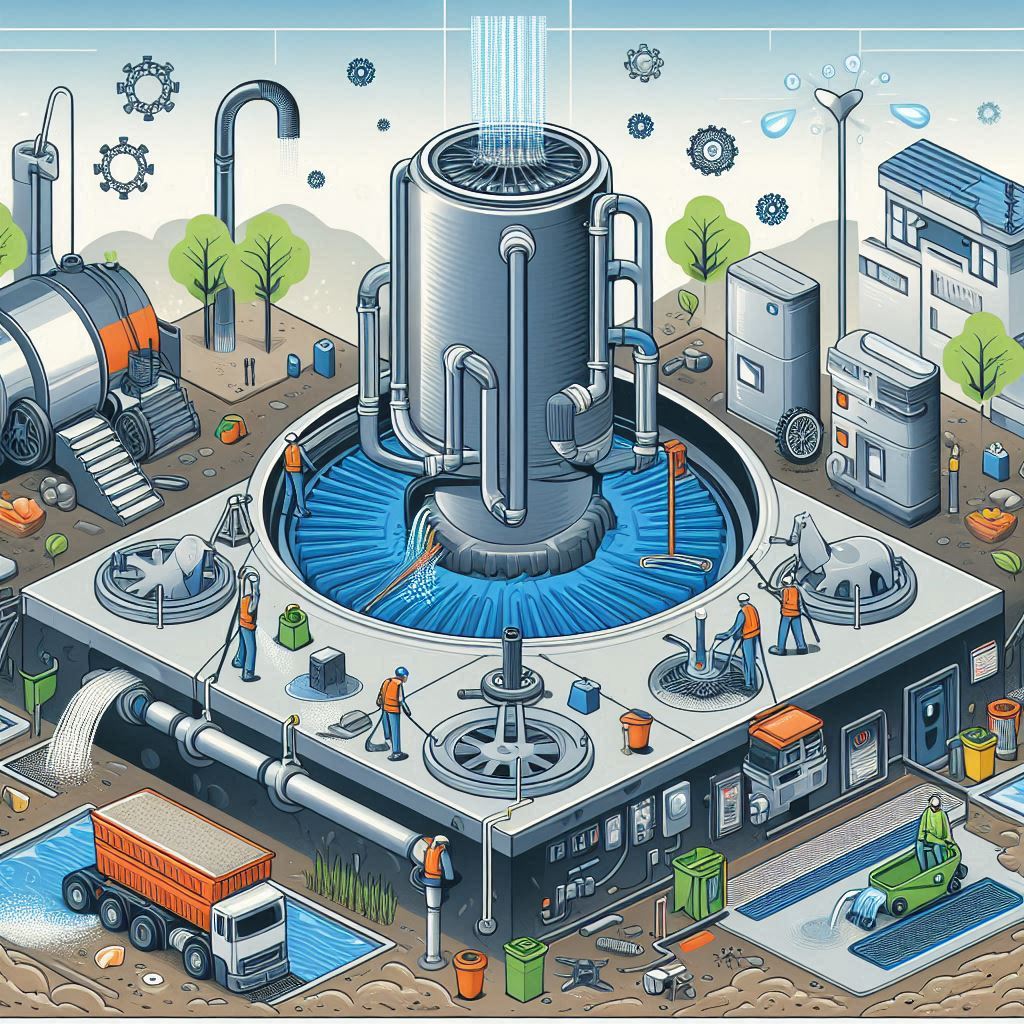
Implementation of advanced sanitation technologies for efficient cleaning
Posted by Ronnie Kennedy on 2024-09-11
Implementation of Advanced Sanitation Technologies for Efficient Cleaning
Introduction
As modern industries and urban spaces grow, the demand for effective and efficient cleaning solutions has never increased. Advanced sanitation technologies reshape how businesses, institutions, and public spaces approach hygiene and cleanliness. These technologies offer enhanced cleaning performance and improve sustainability and resource management. From UV-C light disinfection and IoT-integrated sensors to robotic cleaning systems and nanotechnology, advanced tools are optimizing cleaning processes across sectors, reducing manual effort while ensuring high sanitation standards. This article explores critical innovations in sanitation technologies that enable more efficient and reliable cleaning.
Utilizing UV-C Light Technology for Disinfection
UV-C light technology has emerged as a powerful tool for disinfection, particularly in settings such as hospitals, offices, and other public spaces where pathogens pose a significant risk. UV-C light, a type of ultraviolet light with wavelengths between 200 and 280 nanometers, is highly effective at inactivating bacteria, viruses, and other microorganisms by disrupting their DNA or RNA.
One of the main advantages of UV-C light technology is that it offers a chemical-free and contactless disinfection method, making it ideal for surfaces, air, and even water. It is commonly used in air purification systems and portable sanitation devices that can disinfect entire rooms in minutes. Its effectiveness has been proven against a wide range of pathogens, including those responsible for COVID-19, making UV-C a critical tool in preventing the spread of infectious diseases.
Moreover, UV-C technology can be deployed through automated systems that operate during non-peak hours, such as overnight, to sanitize areas without disrupting daily operations. It provides a highly efficient solution for maintaining hygiene in high-traffic environments like gyms, schools, and office spaces, where consistent cleaning is paramount.
Integrating IoT Sensors for Real-Time Monitoring of Cleanliness Levels
The integration of IoT (Internet of Things) sensors into sanitation systems allows for real-time monitoring of cleanliness levels. These sensors can be embedded in various cleaning devices, soap dispensers, and even in areas such as restrooms and kitchens to detect when a surface or space needs cleaning. IoT sensors can measure factors such as dirt levels, humidity, temperature, and pathogen concentration, providing immediate feedback on cleanliness standards.
Real-time data generated by IoT sensors can be relayed to facility managers, who can then deploy cleaning resources more efficiently based on actual needs rather than predetermined schedules. For instance, sensors in a public restroom might alert cleaning staff when supplies like soap or paper towels are running low or when surfaces need disinfecting due to high foot traffic. This data-driven approach optimizes cleaning operations, reducing unnecessary labour while ensuring that hygiene standards are maintained.
Furthermore, IoT sensors can be integrated into air filtration systems, where they continuously monitor air quality and signal when filters need replacement or when air sanitization is required. By using IoT-enabled devices, businesses can improve sanitation outcomes while minimizing waste and maximizing operational efficiency.
Exploring Robotic Cleaning Systems for Large-Scale Areas
Robotic cleaning systems are revolutionizing the way large-scale areas are sanitized. These autonomous robots are equipped with a variety of cleaning tools, including vacuuming, scrubbing, and even UV-C light disinfection capabilities. They are handy for cleaning vast, open spaces such as airports, shopping malls, warehouses, and stadiums, where manual cleaning is time-consuming and labour-intensive.
Robotic cleaners come with advanced navigation systems, enabling them to map out floor plans, detect obstacles, and move seamlessly through areas without human intervention. Many are also designed to operate continuously, reducing the need for an extensive cleaning staff while maintaining high sanitation standards. The ability of these robots to work autonomously during off-hours further enhances efficiency by ensuring that spaces are cleaned thoroughly and regularly without disrupting normal operations.
In healthcare settings, robotic systems equipped with UV-C light have been used to disinfect operating rooms, reducing the risk of infection transmission. These robots can sanitize surfaces, corners, and even areas that are difficult for human cleaners to reach, providing a more comprehensive approach to sanitation.
Implementing Self-Cleaning Surfaces to Reduce Manual Cleaning Needs
Self-cleaning surfaces represent a cutting-edge innovation in sanitation technology. These surfaces are coated with materials that have antimicrobial or hydrophobic properties, making them resistant to bacteria, viruses, and dirt. By preventing the adhesion of pathogens and grime, self-cleaning surfaces reduce the need for frequent manual cleaning, contributing to more hygienic environments with less maintenance.
Several types of self-cleaning technologies are currently in use. For example, hydrophobic coatings cause water and other liquids to bead up and roll off surfaces, taking dirt and contaminants with them. Photocatalytic coatings, often made with titanium dioxide, activate under UV light to break down organic materials like bacteria and mould. These surfaces are particularly beneficial in areas where high hygiene standards are essential, such as hospitals, kitchens, and public restrooms.
Incorporating self-cleaning surfaces into the design of frequently touched objects, such as door handles, elevator buttons, and countertops, can drastically reduce the spread of germs in high-traffic areas. This technology not only lowers cleaning costs but also helps maintain cleaner environments between cleaning sessions.
Utilizing Nanotechnology for Targeted Disinfection at a Molecular Level
Nanotechnology offers a promising solution for targeted disinfection at the molecular level. Nanomaterials, such as silver nanoparticles and carbon-based nanostructures, possess unique properties that make them effective at killing bacteria, viruses, and fungi. These materials can be incorporated into cleaning agents, coatings, and even textiles to enhance their disinfecting capabilities.
One of the critical advantages of nanotechnology in sanitation is its ability to provide long-lasting protection against pathogens. For instance, surfaces treated with nanoscale antimicrobial coatings can remain germ-free for extended periods, reducing the frequency of cleaning and the need for harsh chemical disinfectants. Nanoparticles can also penetrate surfaces and biofilms more effectively than conventional cleaning methods, ensuring that even hard-to-reach areas are sanitized.
In addition to enhancing surface cleanliness, nanotechnology can be used in air purification systems to trap and neutralize airborne contaminants at the molecular level, improving indoor air quality in enclosed spaces.
Integrating AI Algorithms for Predictive Maintenance of Sanitation Equipment
Artificial intelligence (AI) is transforming sanitation systems by enabling predictive maintenance of cleaning equipment. AI algorithms can analyze data collected from cleaning devices, such as vacuums, floor scrubbers, and air purifiers, to predict when maintenance or repairs are needed. This proactive approach helps prevent equipment failures, reduces downtime, and extends the lifespan of sanitation tools.
AI-powered predictive maintenance can monitor various parameters, such as motor performance, filter efficiency, and battery life, to identify potential issues before they escalate. For example, an AI system may detect a decrease in the performance of a robotic vacuum due to a clogged filter and automatically schedule maintenance to address the problem before the machine breaks down.
By integrating AI into sanitation operations, businesses can ensure that cleaning equipment remains operational and efficient, reducing the risk of equipment-related disruptions and enhancing overall cleanliness.
Developing Smart Waste Management Systems to Optimize Cleaning Processes
Intelligent waste management systems leverage IoT and AI technologies to optimize the collection, disposal, and recycling of waste, making them an integral part of modern sanitation processes. These systems use sensor-equipped waste bins that monitor fill levels and alert waste management teams when bins are nearing capacity, preventing overflow and ensuring timely collection.
In extensive facilities, innovative waste systems can create dynamic waste collection routes based on real-time data, improving efficiency by reducing the frequency of waste pickups in areas with lower demand. Additionally, AI algorithms can analyze waste patterns to optimize recycling efforts, ensuring that more materials are diverted from landfills.
Smart waste management systems not only improve operational efficiency but also contribute to cleaner environments by preventing the buildup of waste in public spaces, reducing odor, and minimizing the risk of pest infestations.
Utilizing Drones for Aerial Sanitation Inspections and Cleaning of Hard-to-Reach Areas
Drones are emerging as a valuable tool for aerial sanitation inspections and the cleaning of hard-to-reach areas. Equipped with high-definition cameras and cleaning mechanisms, drones can inspect rooftops, air ducts, and other elevated structures that are challenging or dangerous for human workers to access.
In addition to inspections, drones can be fitted with disinfectant sprays or UV-C light devices to clean surfaces such as building exteriors, windows, and large outdoor venues. This technology is beneficial in industries like construction, agriculture, and urban maintenance, where maintaining cleanliness at height or across large areas is a logistical challenge.
Drones also offer a significant advantage in terms of speed and precision. They can cover large areas quickly and target specific spots that require cleaning or disinfection, reducing the time and labour required for these tasks.
Conclusion
The implementation of advanced sanitation technologies is transforming the way businesses, public spaces, and institutions approach hygiene and cleanliness. Innovations such as UV-C light disinfection, IoT sensors, robotic cleaners, and nanotechnology are enhancing sanitation efficiency, reducing manual labour, and improving hygiene standards. Additionally, the integration of AI and intelligent waste management systems, along with the use of drones for aerial cleaning, ensures that sanitation processes are optimized for both time and resources. As these technologies continue to evolve, they will play a crucial role in shaping the future of sanitation, offering more sustainable, effective, and intelligent solutions for maintaining cleanliness in various environments.