Waste management and disposal
Posted by Julia Cooke on 2024-09-11
Waste Management and Disposal
Introduction
Waste management and disposal are critical to maintaining a clean, sustainable environment. As global populations grow and urban areas expand, the amount of waste generated continues to increase, posing significant challenges to public health, the environment, and resource management. Effective waste management systems are essential for reducing the negative impacts of waste on the environment, conserving resources, and promoting recycling and reuse. The primary objective of waste management is to minimize waste generation, optimize disposal methods, and ensure that waste is processed in safe, efficient, and environmentally friendly ways. This article explores various waste management and disposal strategies, including recycling initiatives, landfill management, composting, waste-to-energy technologies, hazardous waste disposal, community recycling programs, biodegradable waste processing, and innovative waste collection systems.
Recycling Initiatives
Recycling is one of the most well-known and impactful methods of waste management. It involves collecting and processing materials that would otherwise be thrown away as trash and turning them into new products. Recycling helps conserve natural resources, reduce energy usage, and decrease greenhouse gas emissions. Typical materials that can be recycled include paper, cardboard, plastic, glass, and metal.
One key benefit of recycling initiatives is reducing waste sent to landfills and incinerators. By diverting recyclable materials from waste streams, we can significantly reduce the volume of trash that requires disposal, extending the lifespan of landfills and reducing the need for new ones. Furthermore, recycling initiatives create job opportunities in collection, sorting, and processing facilities, contributing to economic growth.
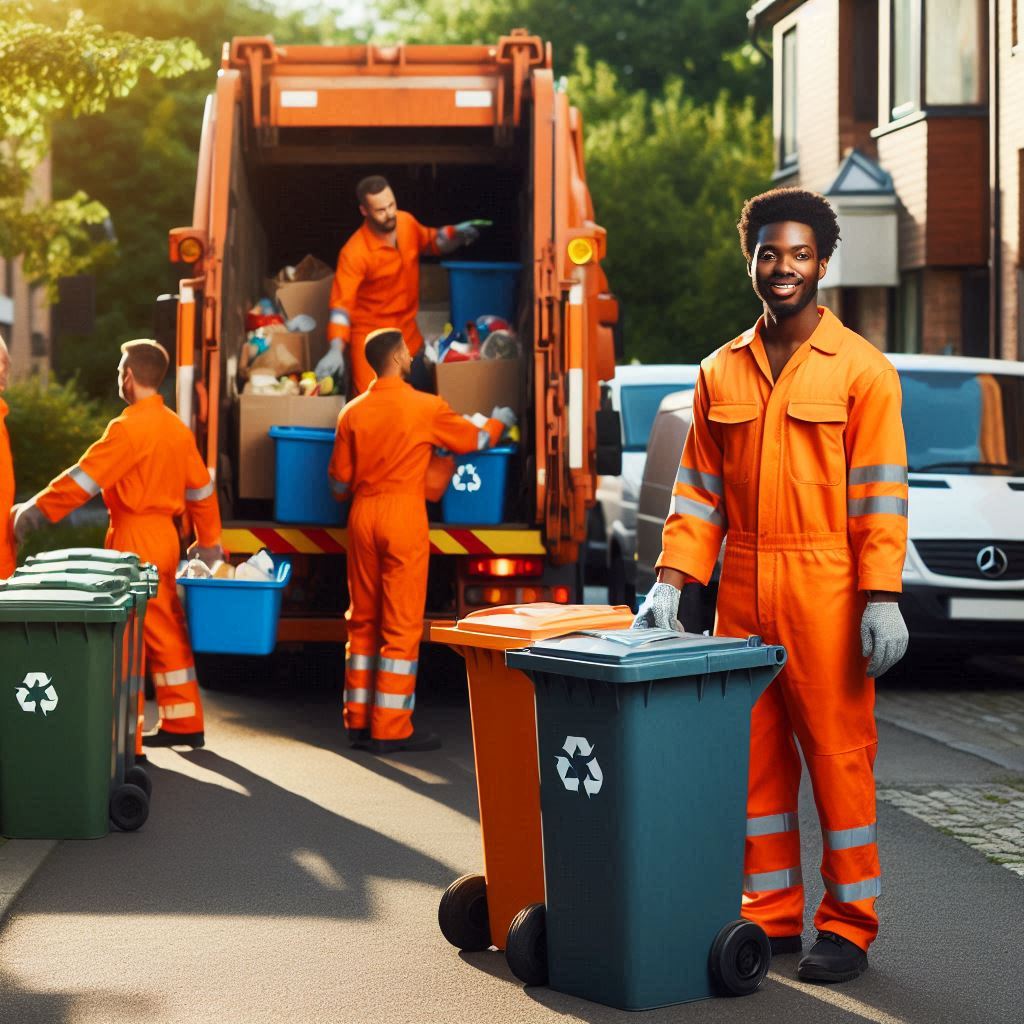
Successful recycling programs require public participation and education. Municipalities and private organizations often run campaigns to raise awareness about what can and cannot be recycled, how to sort recyclables, and the environmental benefits of recycling. In addition, many governments provide curbside recycling services, making it easier for households and businesses to participate in recycling efforts.
Landfill Management Strategies
Despite recycling efforts, landfills remain the primary destination for many of the world's waste. Landfill management strategies are essential for minimizing the environmental impact of these disposal sites. Modern landfills are highly engineered facilities designed to contain waste safely, prevent pollution, and reduce the release of harmful gases.
One key strategy in landfill management is the use of liners and leachate collection systems. Liners are constructed at the bottom of landfills to prevent harmful substances from seeping into the soil and contaminating groundwater. Leachate, which is the liquid that forms when waste breaks down and mixes with rainwater, is collected and treated to ensure it doesn't pollute nearby water sources.
Another important landfill management strategy is methane gas capture. As organic waste decomposes in landfills, it produces methane, a potent greenhouse gas. Many modern landfills are equipped with systems to capture methane and convert it into energy. This not only reduces the environmental impact of methane emissions but also provides a renewable energy source that can be used to power homes and businesses.
Landfill management also involves strategies to optimize space and extend the lifespan of existing landfills. Techniques such as waste compaction and layering are used to maximize the amount of waste that can be safely stored in a given area. In some cases, landfill mining is used to excavate and process old waste to recover valuable materials and create more space for future disposal.
Composting Programs
Composting is an environmentally friendly method of managing organic waste, such as food scraps, yard trimmings, and agricultural byproducts. It involves the decomposition of organic matter by microorganisms, resulting in nutrient-rich compost that can be used to fertilize soil and support plant growth. Composting programs are increasingly being adopted by municipalities, businesses, and households as a way to divert organic waste from landfills and reduce greenhouse gas emissions.
The benefits of composting are twofold: it helps reduce the volume of waste sent to landfills while also creating a valuable product that can be used in agriculture, landscaping, and home gardening. Compost improves soil structure, enhances moisture retention, and reduces the need for chemical fertilizers, making it an essential component of sustainable agriculture.
Municipal composting programs often include curbside collection of organic waste, making it easy for households to participate. In addition, many communities offer composting workshops and educational resources to teach residents how to compost at home. On a larger scale, businesses such as restaurants, supermarkets, and food processors can implement industrial composting programs to manage food waste and contribute to sustainable waste management.
Waste-to-Energy Technologies
Waste-to-energy (WtE) technologies are an innovative solution that converts waste into usable energy, such as electricity or heat. This method offers a way to manage waste while also addressing energy demands. Instead of sending waste to landfills, waste-to-energy facilities use processes like incineration, gasification, and pyrolysis to generate energy from materials that are not recyclable.
Incineration is the most common waste-to-energy technology, where waste is burned at high temperatures to produce steam that drives turbines to generate electricity. The heat generated can also be used for district heating systems in urban areas. Modern incinerators are equipped with pollution control technologies that minimize the release of harmful emissions, such as carbon dioxide and particulate matter.
Gasification and pyrolysis are more advanced WtE technologies that convert waste into synthetic gases, which can be used to produce electricity or liquid fuels. These processes occur in low-oxygen environments, making them more efficient and environmentally friendly compared to traditional incineration.
While waste-to-energy technologies reduce the volume of waste sent to landfills and generate renewable energy, they are often seen as a complement to, rather than a replacement for, recycling and composting. It's essential to ensure that waste-to-energy facilities prioritize waste reduction and material recovery before incineration or gasification.
Hazardous Waste Disposal Methods
Hazardous waste includes materials that pose significant risks to human health and the environment, such as chemicals, batteries, paints, solvents, and medical waste. Due to their dangerous nature, hazardous waste requires specialized disposal methods to ensure that it is managed safely and responsibly.
Typical hazardous waste disposal methods include incineration, landfilling, and chemical treatment. Incineration is often used to safely destroy of dangerous materials by burning them at high temperatures, reducing the risk of contamination. Hazardous waste landfills are designed explicitly with multiple liners and containment systems to prevent leaks and protect groundwater from contamination.
Chemical treatment is used to neutralize or stabilize hazardous waste before disposal. This process involves adding chemicals to hazardous materials to reduce their toxicity or reactivity, making them safer for landfilling or incineration.
Strict regulations govern the handling, transportation, and disposal of hazardous waste to minimize risks to workers, communities, and ecosystems. Businesses that generate hazardous waste are required to follow safety protocols and work with licensed hazardous waste disposal companies to ensure compliance with environmental laws.
Community Recycling Programs
Community recycling programs play a vital role in increasing public participation in waste reduction efforts. These programs involve local governments, schools, businesses, and residents working together to collect and process recyclable materials. Community recycling initiatives can significantly reduce the amount of waste sent to landfills and promote environmental awareness.
Successful community recycling programs often include drop-off centres, where residents can bring materials like glass, plastic, and metal for recycling. Some programs also offer curbside collection services for households, making recycling more convenient.
Education and outreach are critical components of community recycling programs. Many communities run public awareness campaigns to inform residents about the importance of recycling, how to sort recyclables properly, and where to access recycling services. Schools often play a central role in these initiatives by integrating recycling education into the curriculum and organizing recycling drives.
Community recycling programs can also partner with businesses to collect specific types of recyclables, such as electronics, textiles, or construction materials, that may not be accepted in regular curbside recycling programs.
Biodegradable Waste Processing Techniques
Biodegradable waste includes materials that can be broken down naturally by microorganisms, such as food scraps, paper, and yard waste. Correctly processing biodegradable waste is essential to reducing landfill use and lowering greenhouse gas emissions, mainly methane, which is released when organic matter decomposes in landfills.
Composting is the most common technique for processing biodegradable waste, but other methods include anaerobic digestion and biogas production. Anaerobic digestion involves breaking down organic matter in the absence of oxygen, producing biogas that can be used as a renewable energy source and digestate, a nutrient-rich substance that can be used as fertilizer.
Biodegradable waste processing techniques are increasingly being integrated into municipal waste management systems to divert organic waste from landfills and produce valuable byproducts like compost and biogas. These processes help reduce the environmental impact of waste while supporting sustainable agriculture and energy production.
Smart Waste Collection Systems
Intelligent waste collection systems use technology to optimize the process of collecting and managing waste. These systems are designed to improve efficiency, reduce operational costs, and minimize the environmental impact of waste collection. Intelligent waste collection involves the use of sensors, data analytics, and automation to monitor waste levels in bins and determine the most efficient collection routes.
For example, intelligent bins equipped with sensors can detect when they are complete and send notifications to waste collection services. This allows waste collection trucks to empty bins only when necessary, reducing fuel consumption, traffic congestion, and carbon emissions.
Intelligent waste collection systems also use data analytics to analyze waste generation patterns and identify opportunities for waste reduction, recycling, and composting. By collecting and analyzing data, municipalities can develop more effective waste management strategies and improve resource allocation.
These technologies are increasingly being adopted in cities and urban areas as part of the broader trend toward intelligent city development, where technology is used to improve the sustainability and efficiency of public services.
Conclusion
Effective waste management and disposal strategies are essential for creating sustainable communities and protecting the environment. By incorporating recycling initiatives, landfill management strategies, composting programs, waste-to-energy technologies, and innovative waste collection systems, we can reduce the environmental impact of waste and conserve valuable resources. Additionally, proper disposal methods for hazardous waste and the processing of biodegradable materials are crucial for ensuring public health and safety. As communities and businesses continue to innovate in waste management practices, the future of waste disposal will be increasingly focused on sustainability, efficiency, and resource recovery.