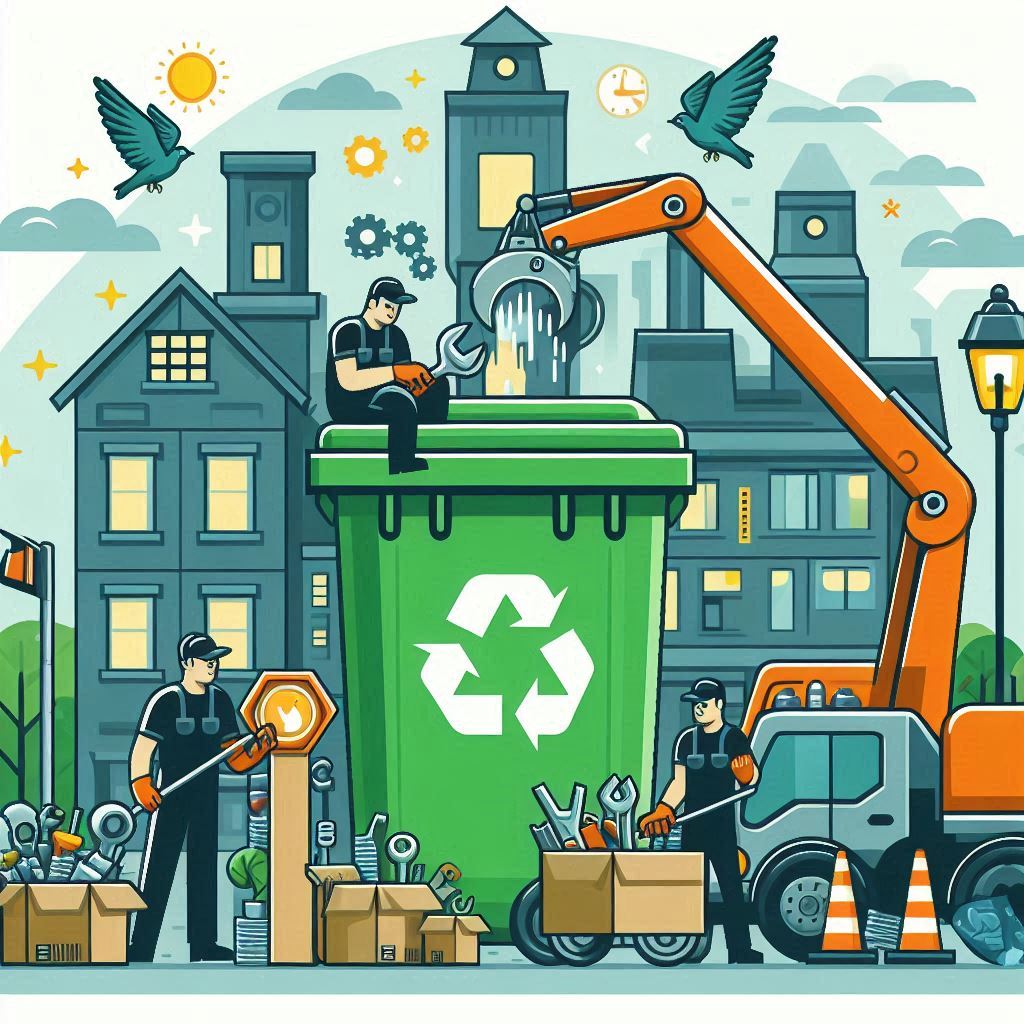
Implementing proper waste disposal practices
Posted by on
Effective waste disposal is crucial for maintaining environmental sustainability and operational efficiency. Proper waste management practices help reduce the ecological footprint, save costs, and support regulatory compliance. This comprehensive guide provides detailed strategies for implementing proper waste disposal practices, focusing on waste segregation, employee education, and the adoption of innovative technologies. By adopting these practices, organizations can enhance their waste management processes and contribute to a healthier planet.
Segregate Waste into Recyclables, Organics, and Non-Recyclables
The cornerstone of effective waste management is properly segregating waste into recyclables, organics, and non-recyclables. This approach ensures that materials are processed correctly and reduces the volume of waste in landfills.
Recyclables: Recyclable materials, including paper, cardboard, glass, metals, and certain plastics, can be processed and reused. Proper segregation prevents contamination, which can make these materials unsuitable for recycling. By separating recyclables from non-recyclables, organizations can significantly reduce the environmental impact of their waste.
Organics: Organic waste consists of food scraps, yard waste, and other biodegradable materials. Composting organic waste reduces landfill use and produces valuable compost that can be used to enrich soil. This practice helps manage waste effectively and supports sustainable agricultural practices.
Non-Recyclables: Non-recyclable waste includes items that cannot be processed or composted, such as certain plastics, contaminated materials, and non-recyclable packaging. Proper disposal of these items is essential to prevent recyclable and organic waste stream contamination.
Implementing a waste segregation system involves providing clearly labelled bins for each waste category and ensuring employees understand how to use them. Regular monitoring and audits can help maintain the effectiveness of the segregation process.
Educate Employees on Proper Waste Sorting and Disposal Procedures
Employee education is vital for the successful implementation of waste disposal practices. Providing clear, comprehensive training on waste sorting and disposal procedures ensures that all staff members contribute to the organization’s waste management goals.
Training Programs: Develop and implement training programs that cover the importance of waste segregation, types of waste, and proper disposal methods. These programs should be included in the onboarding process for new employees and offered as refresher courses for existing staff.
Clear Signage: Place clear and informative signage near waste bins to guide employees in sorting their waste correctly. Use visual aids and straightforward language to help staff understand which materials belong in each bin.
Regular Refreshers: Conduct periodic refresher courses and workshops to reinforce waste management practices and address employees' questions or challenges. Keeping waste management at the forefront of employee consciousness helps maintain high standards.
Implement Composting for Organic Waste to Reduce Landfill Impact
Composting is an effective way to manage organic waste and minimize its impact on landfills. By converting organic materials into compost, organizations can enhance their sustainability efforts and support environmental health.
Composting Systems: Establish composting systems within the organization, such as compost bins or piles, to handle organic waste. Ensure that these systems are correctly maintained and monitored to facilitate effective decomposition.
Partnerships with Composting Facilities: If onsite composting is not feasible, partner with local composting facilities to process organic waste. Establish reliable methods for transporting and managing compostable materials to ensure they are correctly handled.
Education on Composting: Provide training for employees on what can be composted and how to properly maintain composting systems. Educating staff on the benefits of composting can also encourage greater participation and commitment.
Partner with Local Recycling Facilities for Efficient Waste Management
Collaborating with local recycling facilities helps ensure that recyclable materials are processed efficiently and effectively. Building solid relationships with these facilities supports the overall waste management strategy.
Identify Local Partners: Research and select local recycling facilities that can handle the materials your organization generates. Establish partnerships that align with your waste management needs and goals.
Regular Communication: Maintain regular communication with recycling partners to stay informed about changes in recycling protocols, accepted materials, and potential issues. This collaboration ensures that your waste management practices remain effective and compliant.
Facility Visits: Periodically visit recycling facilities to understand their operations and ensure they meet your organization’s requirements. This can help build a stronger partnership and address any concerns regarding waste processing.
Install Separate Waste Bins for Recyclables, Organics, and Non-Recyclables
Installing separate waste bins for different waste types is crucial for adequate waste segregation. This practice encourages proper sorting and simplifies the waste management process.
Bin Placement: Place clearly labelled bins for recyclables, organics, and non-recyclables in convenient locations throughout the office. Ensure that each bin is easily accessible and visible to promote proper use.
Bin Maintenance: Regularly empty and clean the bins to prevent overflow and contamination. Proper maintenance helps maintain hygiene and encourages continued use of the waste segregation system.
Accessibility: Ensure that waste bins are strategically placed in high-traffic areas to make waste disposal easy and convenient for employees. Accessibility is critical to encouraging proper waste sorting and minimizing improper disposal.
Implement a Waste Audit to Identify Areas for Improvement
Conducting a waste audit is a valuable tool for evaluating current waste management practices and identifying opportunities for improvement. A waste audit involves analyzing the composition and volume of waste generated and assessing how effectively it is managed.
Audit Process: Carry out a comprehensive waste audit by collecting and sorting waste samples to determine their composition. Analyze the data to identify trends, inefficiencies, and areas where improvements can be made.
Report Findings: Prepare a detailed report on the audit findings, including recommendations for optimizing waste management practices. Share the report with relevant stakeholders to support decision-making and strategy development.
Continuous Improvement: Use the insights gained from the waste audit to implement changes and track progress. Regularly review and update waste management practices based on audit results and evolving organizational needs.
Introduce a Reward System for Employees Who Actively Participate in Waste Reduction
Encouraging employees to participate actively in waste reduction efforts can be achieved through a reward system. Recognizing and rewarding contributions fosters a culture of sustainability and motivates staff to engage in waste-reduction practices.
Recognition Programs: Establish recognition programs that highlight employees or teams who demonstrate exceptional commitment to waste reduction. Awards, certificates, or public acknowledgment can be used to celebrate their efforts.
Incentives: Offer incentives such as gift cards, additional time off, or other rewards for employees who consistently engage in effective waste management practices. Incentives provide motivation and reinforce the importance of waste reduction.
Feedback and Communication: Regularly communicate the impact of employees’ efforts and provide feedback on their contributions. Sharing success stories and achievements helps maintain motivation and builds a sense of community around waste reduction initiatives.
Explore Innovative Technologies Like Waste-to-Energy Conversion for Non-Recyclable Waste
Innovative technologies can provide solutions for managing non-recyclable waste, which often poses a significant challenge. Waste-to-energy conversion is one such technology that can reduce the environmental impact of non-recyclable waste.
Waste-to-Energy: Waste-to-energy technologies convert non-recyclable waste into usable energy, such as electricity or heat. This process reduces the volume of waste sent to landfills and provides an alternative source of energy, supporting sustainability goals.
Technology Assessment: Evaluate waste-to-energy technologies to determine their suitability for your organization’s needs. Consider factors such as cost, efficiency, and environmental impact when selecting a technology.
Partnerships: Collaborate with waste-to-energy facilities or service providers to manage non-recyclable waste. Establish clear agreements and processes for waste handling and energy conversion.
Collaborate with Waste Management Experts to Optimize Disposal Processes
Working with waste management experts can enhance the effectiveness of waste disposal practices and ensure that processes are optimized for efficiency and sustainability.
Expert Consultation: Engage waste management consultants to assess current practices, identify areas for improvement, and develop tailored waste management strategies. Experts can provide valuable insights and recommendations based on industry best practices and emerging trends.
Process Optimization: Collaborate with experts to streamline waste disposal processes, reduce costs, and improve overall efficiency. Implement recommendations for optimizing waste segregation, collection, and disposal.
Training and Support: Provide ongoing training and support from waste management experts to keep employees informed about best practices and new technologies. Regular updates and guidance ensure that waste disposal practices remain effective and aligned with organizational goals.
Conclusion
Implementing proper waste disposal practices is essential for promoting environmental sustainability, reducing operational costs, and enhancing organizational efficiency. By segregating waste into recyclables, organics, and non-recyclables, educating employees, and leveraging innovative technologies, organizations can effectively manage waste and minimize their environmental impact. Partnering with local recycling facilities, introducing reward systems, and exploring advanced waste management solutions further support these efforts. Adopting a comprehensive approach to waste disposal not only contributes to a cleaner environment but also fosters a culture of sustainability and responsibility within the organization.