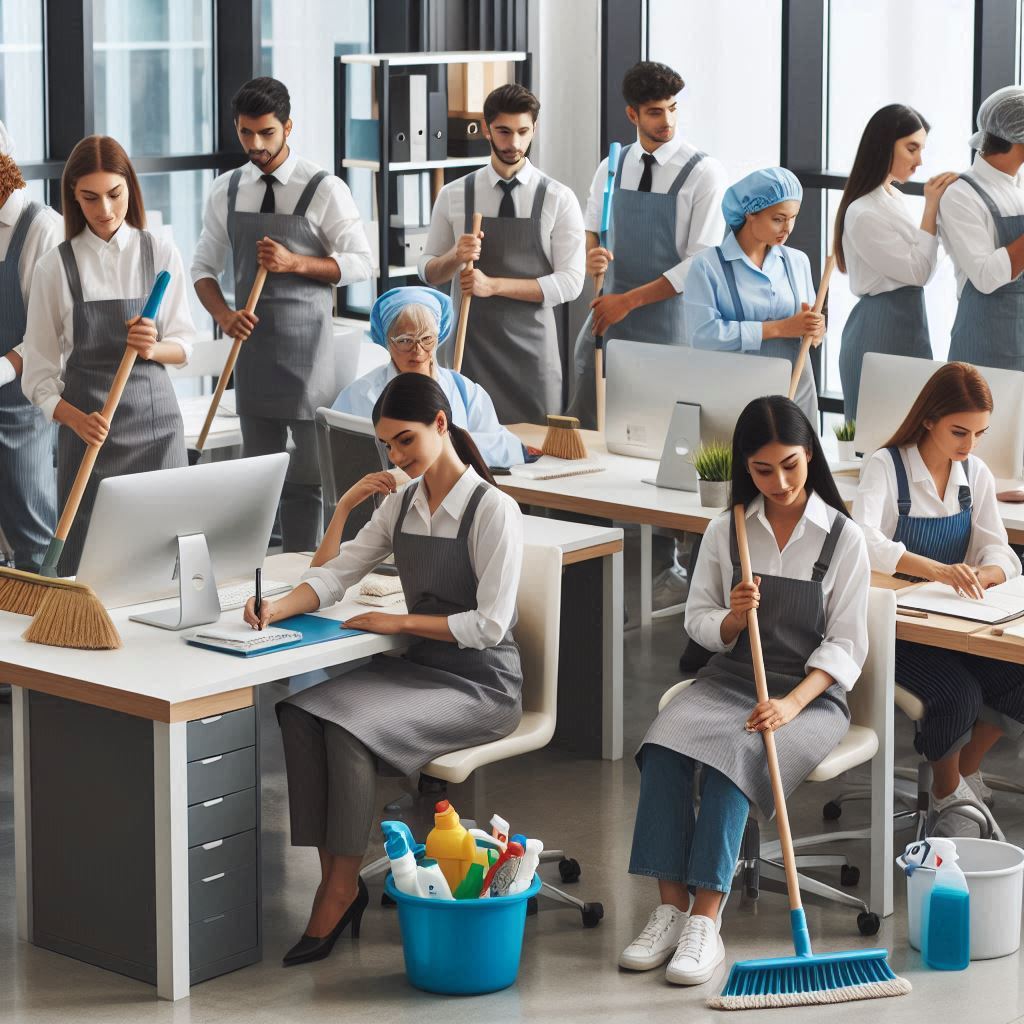
Importance of regular office cleaning routines
Posted by on
Maintaining a clean and organized environment in the modern workplace is more than just a matter of appearance—it's a critical component of a successful and efficient business. Regular office cleaning routines are essential for promoting health, enhancing productivity, and protecting valuable assets. This comprehensive exploration delves into the multifaceted benefits of consistent cleaning practices, illustrating why they should be integral to every business strategy.
Promotes a Healthier Work Environment
A clean office is synonymous with a healthier work environment. Regular cleaning routines play a vital role in mitigating health risks and ensuring the well-being of employees.
Dust and Allergens: Offices are breeding grounds for dust, allergens, and pollutants. Dust accumulation on surfaces, carpets, and HVAC systems can lead to respiratory issues and exacerbate allergies. Regular dusting and vacuuming are crucial for reducing the presence of these allergens. Advanced cleaning methods, such as HEPA filtration and specialized vacuum cleaners, can further minimize airborne particles, contributing to a healthier office environment.
Surface Hygiene: High-touch surfaces such as doorknobs, light switches, and keyboards are hotspots for germs and bacteria. Regular disinfection of these areas helps to reduce the spread of illness-causing microorganisms. Effective disinfectants against a broad spectrum of pathogens, including viruses and bacteria, ensure that these critical surfaces are sanitary.
Comfort and Wellness: A clean workspace contributes to employee comfort and well-being. Clutter and disorganization can create stress and decrease job satisfaction. By maintaining a clean and orderly environment, businesses can enhance employee comfort, reduce stress, and foster a more positive workplace atmosphere.
Reduces the Spread of Germs and Illnesses
In any office setting, the risk of spreading germs and illnesses is a significant concern. Regular cleaning is vital to controlling the spread of infections and minimizing absenteeism.
Disinfection Protocols: Implementing regular disinfection routines, especially in high-touch areas and communal spaces, is essential for controlling the spread of germs. Using hospital-grade disinfectants and following established cleaning protocols effectively eradicates harmful microorganisms. Cleaning should focus on areas prone to frequent contact, such as restrooms, break rooms, and shared equipment.
Preventative Measures: Regular cleaning addresses current contamination and acts as a preventative measure against future outbreaks. By reducing the microbial load in the office, businesses can lower the risk of illness and contribute to a healthier workforce.
Healthier Workforce: Regular cleaning minimizes the spread of germs, reducing the incidence of sickness among employees. Fewer illnesses translate into fewer sick days and a more consistent workforce, improving productivity and reducing operational disruptions.
Enhances Employee Productivity and Morale
A clean and organized office environment directly impacts employee productivity and morale.
Improved Focus: Clutter and mess can be distracting and hinder employees' ability to focus on their tasks. A clean and organized workspace helps to eliminate distractions, allowing employees to concentrate better and perform at their best. Clear desk policies and regular tidying help maintain an environment conducive to productivity.
Positive Atmosphere: A well-maintained office creates a positive work atmosphere, boosting employee morale. Employees who work in a pleasant and orderly environment are more likely to feel valued and motivated. This can lead to increased job satisfaction and a stronger sense of engagement.
Increased Motivation: Employees are more likely to take pride in their work environment when it is clean and well-organized. Regular cleaning contributes to a sense of pride and ownership, which can enhance overall motivation and job satisfaction.
Prolongs the Lifespan of Office Furniture and Equipment
Regular cleaning helps preserve the condition of office furniture and equipment, extending their lifespan and reducing the need for costly replacements.
Preventive Maintenance: Routine cleaning helps to prevent the buildup of dirt, dust, and grime on office furniture and equipment. For example, regular dusting and wiping of surfaces prevent damage to finishes and upholstery, helping to maintain their appearance and functionality over time.
Protective Measures: Using appropriate cleaning products and techniques protects office assets from damage. Non-abrasive cleaners and proper cleaning methods ensure that surfaces and equipment are maintained in good condition. For example, using microfiber cloths for cleaning electronics prevents scratches and ensures that screens and keyboards are kept in optimal condition.
Cost Savings: By extending the lifespan of office assets through regular cleaning, businesses can save on replacement and repair costs. Investing in regular maintenance is a cost-effective way to protect the value of office furniture and equipment, ultimately contributing to long-term financial savings.
Prevents Pest Infestations
A clean office is less likely to attract pests, which can cause significant issues if left unchecked.
Food and Waste Management: Regular cleaning and proper disposal of food and waste help to prevent pest infestations. Pests are often attracted to food crumbs and garbage, so maintaining a clean environment reduces their appeal. Implementing waste management protocols and ensuring that all food waste is promptly and properly disposed of can help prevent pest problems.
Preventive Measures: Regular cleaning of areas prone to moisture, such as kitchenettes and restrooms, reduces the risk of pest infestations. Pests thrive in damp environments, so keeping these areas clean and dry can help deter them. Additionally, sealing cracks and crevices in the office can prevent pests from entering.
Health and Safety: Pest infestations can pose health risks and lead to unsanitary conditions. Regular cleaning helps to prevent these issues, ensuring a safe and hygienic work environment. By addressing potential pest problems before they arise, businesses can maintain a clean and healthy workspace.
Reduces Absenteeism Due to Sickness
Regular cleaning contributes to reducing absenteeism by minimizing the risk of illness among employees.
Healthier Work Environment: By maintaining a clean and sanitary office, businesses can lower the incidence of sickness-related absenteeism. Fewer illnesses lead to fewer days off, contributing to a more consistent and productive workforce.
Productivity Impact: Lower absenteeism results in increased productivity and reduced disruptions. When employees are healthy and present, they can perform their duties more effectively, leading to improved operational efficiency.
Cost Savings: Reducing absenteeism due to sickness can result in cost savings for businesses. Fewer sick days mean less disruption to operations and reduced costs associated with temporary replacements and lost productivity.
Improves Air Quality in the Office
Regular cleaning plays a crucial role in improving indoor air quality, which can have significant health benefits for employees.
Ventilation Systems: Cleaning and maintaining HVAC systems are essential for ensuring that air filters and ducts are free from dust and debris. This helps to improve air quality and ensures that the air circulating in the office is clean and fresh. Regular filter replacement and system maintenance are critical for optimal air quality.
Allergen Reduction: Regular vacuuming and dusting remove allergens and particles that can affect respiratory health. Improved air quality reduces the risk of respiratory issues and allergies among employees, creating a more comfortable and healthy work environment.
Health Benefits: Better air quality contributes to overall well-being and comfort. A clean office environment supports a healthier workforce and enhances employee productivity and satisfaction.
Maintains a Professional and Welcoming Workspace
A clean office is essential for creating a positive first impression and maintaining a professional image.
Client Perception: A well-maintained office creates a positive impression on clients and visitors. It reflects professionalism and attention to detail, enhancing the company's reputation and credibility. A clean environment demonstrates that the business values quality and professionalism.
Employee Pride: Employees take pride in working for a company that values cleanliness and organization. A clean workspace contributes to a sense of pride and ownership, fostering a positive work culture and improving employee satisfaction.
Brand Image: Maintaining a clean and organized office supports the company's brand image. It reinforces the company's commitment to professionalism and creates a welcoming environment for clients and employees alike. A clean office environment is an essential aspect of brand perception and can impact client relationships and employee retention.
Conclusion
The importance of regular office cleaning routines extends far beyond mere aesthetics. From promoting a healthier work environment and reducing the spread of germs to enhancing employee productivity and preserving office assets, consistent cleaning is a fundamental aspect of a successful business operation. By implementing regular cleaning practices, businesses can create a positive and healthy environment that supports employee well-being, reduces operational costs, and enhances the overall professional image of the company. Investing in regular office cleaning is not just a matter of maintaining appearance—it is a strategic investment in the health, productivity, and success of the organization.