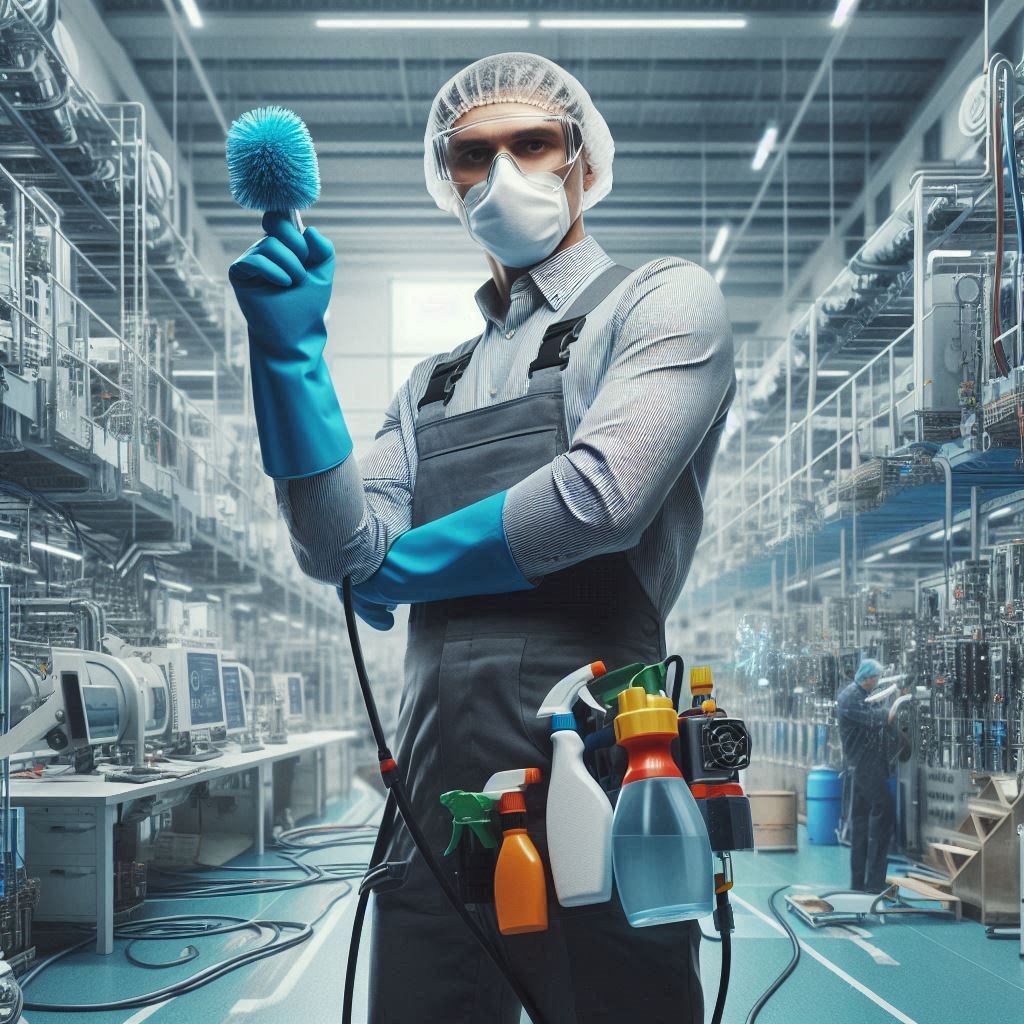
Trained in handling specialized cleaning requirements for different industries
Posted by on
The complexity and diversity of cleaning requirements across different industries demand specialized knowledge and training. Each sector has unique cleaning standards and protocols to address specific challenges and ensure safety, hygiene, and operational efficiency. From healthcare facilities to educational institutions, specialized cleaning is crucial for maintaining high standards of cleanliness and compliance with industry regulations. This comprehensive guide explores the specialized cleaning requirements for various industries and highlights the essential training needed for effective cleaning in each sector.
Healthcare Facilities Cleaning
Healthcare facilities, including hospitals, clinics, and nursing homes, have some of the most stringent cleaning requirements due to the critical need for infection control and patient safety. The cleaning protocols in these environments are designed to minimize the risk of healthcare-associated infections (HAIs) and ensure a sterile environment for patients and staff.
Critical Aspects of Healthcare Facilities Cleaning:
- Infection Control: Cleaning protocols in healthcare facilities must adhere to strict infection control guidelines. This includes using hospital-grade disinfectants effective against various pathogens, including bacteria, viruses, and fungi. High-touch surfaces like doorknobs, light switches, and bedrails require frequent disinfection.
- Isolation Procedures: Areas that handle infectious patients, such as isolation rooms and emergency departments, need specialized cleaning procedures. This often involves using personal protective equipment (PPE), such as gloves, gowns, and masks, to prevent cross-contamination.
- Equipment Sterilization: Medical equipment and instruments must be properly sterilized to avoid spreading infections. This includes using autoclaves or other sterilization methods per manufacturer guidelines.
- Training and Certification: Cleaning staff in healthcare facilities should receive specialized training in infection control practices, including proper disinfection techniques, PPE usage, and handling of biohazardous materials.
Food Industry Sanitation Standards
Sanitation in the food industry is critical for preventing foodborne illnesses and ensuring the safety of food products. The cleaning procedures in this sector are designed to comply with regulations set by food safety authorities, such as the Food and Drug Administration (FDA) and the U.S. Department of Agriculture (USDA).
Critical Aspects of Food Industry Sanitation:
- Hygiene Practices: Cleanliness in food processing areas requires strict hygiene practices. This includes regularly cleaning and sanitizing food contact surfaces, equipment, and utensils to prevent contamination. The use of food-safe sanitizers and adherence to proper handwashing techniques are essential.
- Cross-Contamination Prevention: Measures must be taken to avoid cross-contamination between raw and cooked foods. This involves separating cleaning equipment and utensils used for different types of food and implementing colour-coded systems for different food categories.
- Sanitation Audits: Regular sanitation audits and inspections are necessary to ensure compliance with food safety regulations. This includes checking for proper cleaning procedures, equipment maintenance, and overall facility hygiene.
- Training and Certification: Cleaning staff in the food industry should be trained in food safety standards, including proper cleaning techniques and sanitation procedures, and they should understand HACCP (Hazard Analysis and Critical Control Points) principles.
Cleanroom and Laboratory Cleaning Protocols
Cleanrooms and laboratories require specialized cleaning to maintain controlled environments essential for research and manufacturing. The cleanliness of these areas directly impacts the accuracy of experiments and the quality of products.
Critical Aspects of Cleanroom and Laboratory Cleaning:
- Controlled Environment: Cleanrooms and laboratories often have controlled particulate contamination levels, temperature, and humidity. Cleaning procedures must be designed to maintain these conditions, including using specialized cleaning agents that do not leave residues.
- Equipment and Surface Cleaning: Surfaces and equipment in cleanrooms and laboratories require regular cleaning with approved disinfectants and cleaning agents. This often involves using lint-free wipes and vacuum systems to minimize the introduction of particles.
- Personnel Training: Personnel working in cleanrooms and laboratories must follow strict gowning and hygiene procedures. Training includes the use of PPE, adherence to cleaning protocols, and understanding the impact of contaminants on research and manufacturing processes.
- Validation and Monitoring: Regular validation and monitoring of cleaning procedures are essential to ensure that cleanliness standards are met. This includes environmental monitoring for particulates and microbial contamination.
Industrial Equipment Cleaning Techniques
Industrial equipment cleaning is essential for maintaining operational efficiency and preventing equipment failures. The cleaning methods used in industrial settings must address the specific challenges of removing heavy-duty grime, oils, and residues.
Critical Aspects of Industrial Equipment Cleaning:
- Heavy-Duty Cleaning: Industrial equipment often requires robust cleaning techniques to remove stubborn residues and contaminants. This includes the use of high-pressure washers, steam cleaning, and specialized degreasers.
- Safety and Compliance: Industrial cleaning procedures must comply with safety regulations and manufacturer recommendations. This includes proper handling of cleaning chemicals and ensuring that equipment is de-energized before cleaning.
- Maintenance and Inspection: Regular cleaning is crucial for the maintenance of industrial equipment. This involves periodic inspections to identify signs of wear and tear, followed by appropriate cleaning and maintenance tasks.
- Training: Cleaning staff in industrial settings should be trained in the safe use of cleaning equipment, chemical handling, and adherence to safety protocols. This ensures that cleaning tasks are performed efficiently and safely.
Hospitality Sector Cleaning Standards
The hospitality sector, including hotels, restaurants, and resorts, requires high standards of cleanliness to ensure guest satisfaction and maintain a positive reputation. Cleaning protocols in this industry focus on creating a welcoming and sanitary environment for guests.
Critical Aspects of Hospitality Sector Cleaning:
- Guest Room Cleaning: Guest rooms must be cleaned thoroughly between stays. This includes changing bed linens, sanitizing surfaces, and vacuuming carpets. Special attention is given to high-touch areas such as remote controls and light switches.
- Public Area Maintenance: Public areas, including lobbies, hallways, and dining areas, require regular cleaning to maintain a pristine appearance. This involves routine cleaning schedules and spot cleaning for high-traffic areas.
- Health and Safety Compliance: Hospitality cleaning practices must adhere to health and safety regulations, including the use of approved cleaning products and adherence to hygiene standards. This is particularly important in food service areas.
- Training: Staff in the hospitality sector should be trained in effective cleaning techniques, guest interaction, and understanding of health and safety requirements.
Retail Store Cleaning Best Practices
Retail stores must maintain a clean and inviting environment to enhance the shopping experience and ensure customer satisfaction. Cleaning practices in retail settings focus on both aesthetic appeal and hygiene.
Critical Aspects of Retail Store Cleaning:
- Floor Care: Regular cleaning of floors is essential to remove dirt, spills, and stains. This includes vacuuming carpets, mopping hard floors, and periodic deep cleaning using floor scrubbers.
- Shelving and Display Cleaning: Shelves and display units should be dusted and wiped regularly to keep products clean and presentable. This involves cleaning both the surfaces and the areas behind shelves.
- Restroom Maintenance: Restrooms require frequent cleaning to ensure a high level of hygiene. This includes regular disinfection of fixtures, replenishing supplies, and ensuring proper ventilation.
- Training: Retail cleaning staff should be trained in effective cleaning methods, customer service skills, and safety procedures.
Educational Institution Cleaning Regulations
Cleaning in educational institutions, such as schools and universities, involves maintaining a safe and healthy environment for students and staff. The cleaning protocols in these settings are designed to address high-traffic areas and ensure sanitary conditions.
Critical Aspects of Educational Institution Cleaning:
- Classroom Cleaning: Classrooms require daily cleaning to ensure a tidy and hygienic learning environment. This includes wiping down desks, cleaning whiteboards, and vacuuming or mopping floors.
- Restroom and Common Area Maintenance: Restrooms and common areas, such as cafeterias and hallways, need frequent cleaning to manage high usage and maintain cleanliness. This involves regular disinfection and replenishment of supplies.
- Compliance with Regulations: Educational institutions must comply with health and safety regulations, including those related to sanitation and the use of cleaning products. This is particularly important in environments with young children.
- Training: Cleaning staff in educational institutions should be trained in child-friendly cleaning practices, including the safe use of cleaning chemicals and adherence to hygiene protocols.
Office Building Cleaning Techniques
Office buildings require regular cleaning to create a professional and comfortable work environment. The cleaning techniques used in office settings focus on maintaining cleanliness while accommodating the needs of employees and visitors.
Critical Aspects of Office Building Cleaning:
- Routine Cleaning: Daily cleaning tasks in office buildings include dusting surfaces, emptying trash cans, and cleaning common areas such as lobbies and break rooms. Regular vacuuming and floor cleaning are also essential.
- Specialized Cleaning: Office buildings may require specialized cleaning for areas such as conference rooms, kitchens, and restrooms. This includes deep cleaning of carpets and upholstery, as well as periodic window washing.
- Safety and Compliance: Office cleaning procedures must adhere to safety regulations, including the proper use of cleaning chemicals and equipment. This ensures a safe working environment for employees and visitors.
- Training: Office cleaning staff should be trained in effective cleaning techniques, time management, and understanding of the specific needs of different office areas.
Conclusion
Specialized cleaning requirements across different industries highlight the need for tailored cleaning protocols and training. Each sector has unique challenges and standards that cleaning professionals must address to ensure safety, hygiene, and compliance. From healthcare facilities and food industries to educational institutions and office buildings, understanding and implementing industry-specific cleaning practices is essential for maintaining high standards of cleanliness and operational efficiency. By investing in specialized training and adhering to best practices, cleaning companies can deliver exceptional service and meet the diverse needs of their clients.